Industrial Grease Explained Why Your Machinery Can't Function Without It
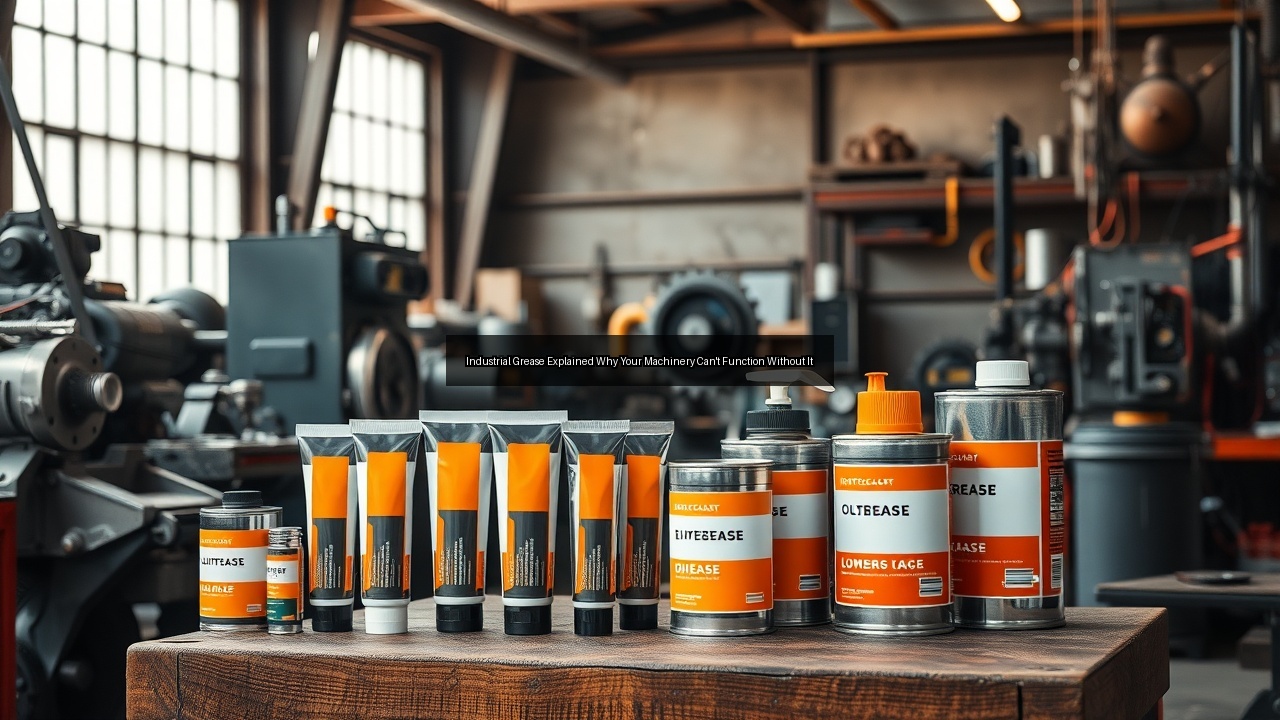
The Importance of Industrial Grease in Machinery
Understanding Lubrication and Its Role
Lubrication serves as a vital component in ensuring the smooth operation of machinery. It reduces friction between moving parts, allowing equipment to function efficiently and effectively. Industrial grease acts as a lubricant, providing a barrier that minimizes wear and tear. The primary role of grease is to create a protective layer that prevents direct contact between metal surfaces, thus reducing the risk of overheating and mechanical failure. This protective measure not only enhances performance but also extends the lifespan of machinery. Proper lubrication through grease contributes to the overall reliability of industrial operations, making it a fundamental consideration for maintenance teams and engineers alike.
Why Grease is Essential for Machinery Performance
Grease plays a critical role in machinery performance, impacting various operational aspects. Its consistency allows it to adhere to surfaces, ensuring that lubrication remains effective even under extreme pressure and high temperatures. This characteristic is particularly advantageous in heavy machinery, where traditional oils may not provide adequate protection. The ability of grease to withstand harsh conditions makes it a preferred choice for many industrial applications. Moreover, grease provides a sealing effect that prevents contaminants, such as dust and moisture, from entering critical components. Without adequate grease, machinery risks experiencing increased friction, leading to inefficiencies and costly downtime. The necessity of grease cannot be overstated, as it directly influences the productivity and reliability of industrial systems.
The Consequences of Inadequate Greasing
Failure to maintain proper greasing can have severe repercussions for machinery. Inadequate lubrication leads to increased friction, which generates heat and accelerates wear on components. This deterioration can result in unexpected breakdowns, costly repairs, and extended downtime. Furthermore, the absence of grease allows contaminants to infiltrate moving parts, compounding wear and increasing the likelihood of catastrophic failure. The financial implications of inadequate greasing can be staggering, as machinery repairs and replacements often exceed the costs associated with regular maintenance. In sectors where machinery reliability is paramount, neglecting to lubricate effectively can jeopardize operational efficiency and safety. Therefore, prioritizing grease maintenance remains essential for preserving both performance and profitability.
Types of Industrial Grease
Axle Grease: What You Need to Know
Axle grease is specifically formulated for use in wheel bearings, axles, and various automotive applications. It delivers superior protection against wear and corrosion, making it an essential lubricant for vehicles and heavy machinery. This type of grease typically contains high-quality thickeners and additives designed to withstand high loads and resist water washout. Axle grease adheres well to metal surfaces, providing a long-lasting lubrication solution that reduces friction and heat build-up. When selecting axle grease, consider compatibility with the materials used in your machinery, as well as operating temperature ranges. Using the appropriate axle grease not only ensures optimal performance but also extends the life of essential components, reducing the likelihood of failures and costly repairs.
Silicone Grease: Benefits and Applications
Silicone grease stands out for its versatility and resistance to extreme temperatures and environmental conditions. This type of grease is non-toxic and chemically stable, making it suitable for various applications, including electrical components, automotive parts, and even plumbing fixtures. Its unique properties allow silicone grease to provide excellent lubrication while also acting as a sealant, protecting against moisture and contaminants. The inert nature of silicone grease ensures compatibility with a wide range of materials, including plastics and rubber, making it a preferred choice in industries where exposure to harsh chemicals is a concern. Overall, silicone grease enhances equipment performance and reliability, particularly in applications where traditional greases may fail.
Synthetic Oil vs. Conventional Grease
Synthetic oil and conventional grease differ significantly in composition and performance. Synthetic oil, crafted from artificially created compounds, offers superior lubrication properties, including enhanced stability and resistance to thermal breakdown. It maintains its viscosity under extreme conditions, making it ideal for high-performance machinery. Conventional grease, on the other hand, typically contains mineral-based oils and may not perform as reliably in extreme environments. The choice between synthetic oil and conventional grease depends on specific application requirements, such as temperature ranges and load capacities. While synthetic options tend to be more expensive, their long-term benefits often justify the investment. Ultimately, selecting the right lubricant, whether synthetic or conventional, is crucial for optimizing machinery performance and longevity.
How Grease Enhances Machinery Longevity
The Role of Thickeners in Grease Composition
Thickeners are a fundamental component of industrial grease, influencing its consistency and performance. They provide structure to the grease, enhancing its ability to adhere to surfaces and resist flow under pressure. Various types fat of thickeners, including lithium, calcium, and aluminum-based compounds, offer distinct advantages depending on the application. For instance, lithium-based thickeners are known for their versatility and water resistance, making them suitable for a wide range of machinery. The choice of thickener affects the grease's performance in terms of temperature stability, mechanical stability, grease for industry and compatibility with different materials. As such, understanding the role of thickeners can help maintenance teams select the most appropriate grease for their specific machinery needs, ultimately enhancing longevity and reliability.
Regular Oil Change: When and Why
Regular oil changes are crucial for maintaining optimal lubrication within machinery. Over time, grease can become contaminated with debris, moisture, and breakdown products, reducing its effectiveness. In industrial settings, the frequency of oil changes depends on several factors, including operating conditions, machinery usage, and the type of grease used. Monitoring the condition of grease through regular inspections helps determine when an oil change is necessary. Neglecting timely oil changes can lead to increased friction, overheating, and premature component failure. Establishing a routine oil change schedule tailored to specific machinery needs enhances performance and extends operational life. Prioritizing this maintenance practice ultimately saves costs associated with repairs and downtime.
Choosing the Right Grease for Your Industry
Selecting the right grease is critical for ensuring machinery operates efficiently. Different industries have varying lubrication requirements based on factors like load conditions, temperature extremes, and environmental exposure. For instance, food processing industries require food-grade grease that adheres to strict safety standards. In contrast, heavy machinery applications may necessitate high-temperature or extreme-pressure grease formulations. Conducting a thorough assessment of machinery specifications and operating conditions aids in making informed decisions regarding grease selection. Additionally, consulting with lubricant manufacturers can provide valuable insights into the most suitable products for particular applications. Choosing the right grease not only enhances equipment performance but also contributes to overall safety and compliance in the workplace.