Choosing the Right Gearbox Repair Company for Your Needs
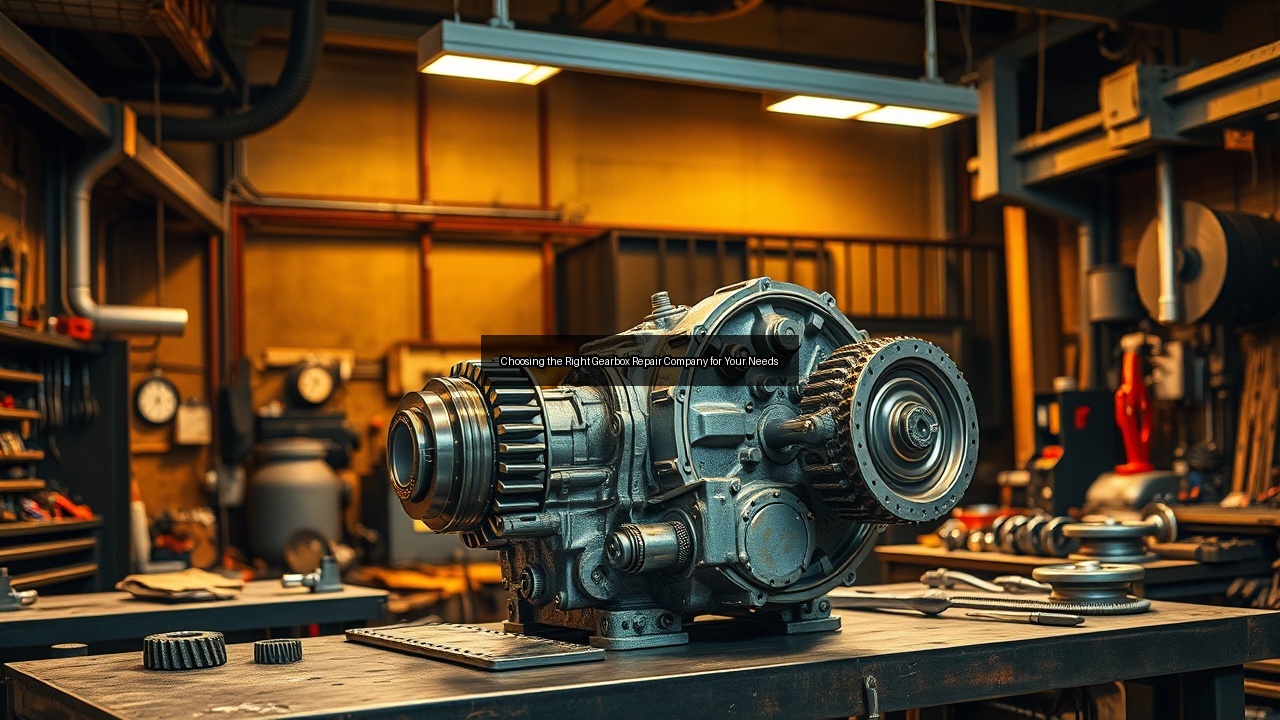
Understanding Gearbox Repairs and Rebuilds
What is a Gearbox Repair?
Gearbox repair addresses worn or damaged components inside a transmission to restore function without full replacement. Technicians disassemble the unit, inspect gears and bearings, then replace faulty parts through targeted machining and reassembly. This process often overlaps with gearbox overhaul when multiple elements require attention. Companies that specialize in gearbox repair services handle everything from standard industrial units to custom reduction gearboxes. Effective repairs demand precision alignment and proper lubrication to prevent immediate recurrence of issues. Many facilities combine repair and maintenance protocols to extend service life across various brands and applications.
Choosing a provider skilled in gearbox rebuild techniques ensures the transmission returns to peak performance. Workers measure tolerances during teardown to decide whether simple part swaps suffice or if a complete gearbox rebuild becomes necessary. This distinction matters because repair focuses on isolated fixes while rebuilds restore the entire assembly to original specifications. Clients gain reliability when shops document every step and test the unit under load before return.
The Importance of Gearbox Rebuilds
Gearbox rebuilds deliver long-term value by renewing critical gearing that powers production equipment. Over time, heavy loads create metal fatigue that leads to inefficiency and eventual failure. A structured gearbox rebuild replaces worn elements, restores clearances, and applies updated lubrication systems to combat future stress. Facilities that schedule regular gearbox rebuild services avoid unplanned downtime that disrupts operations and inflates expenses. Rebuilds also allow incorporation of upgraded components that improve torque capacity or reduce noise across reduction gearbox applications.
Owners recognize that gearbox rebuilds cost less than new equipment purchases while delivering comparable durability. Skilled teams analyze operating conditions beforehand to tailor each project. This proactive approach keeps transmissions running efficiently and supports consistent output in demanding environments. When performed correctly, a gearbox rebuild extends asset life by years and maintains compatibility with existing drive systems.
Common Gearbox Failures and Their Causes
Gearbox failures frequently stem from inadequate lubrication, misalignment, or contamination that accelerates wear on gears and bearings. Overloading beyond design limits generates excessive heat and forces that crack teeth or pit surfaces. Operators notice vibration, unusual noise, or oil leaks as early indicators. Root cause analysis reveals whether poor maintenance practices or manufacturing defects triggered the problem. Addressing these factors during repair prevents repeat incidents in the same transmission.
Common issues appear across industrial gearboxes and automotive units alike. Metal particles in oil signal internal breakdown that requires immediate attention. Companies experienced with gearbox repair shop protocols use vibration monitoring and oil analysis to catch problems early. Understanding these failure patterns helps technicians select the right repair strategy and implement preventative measures that protect against future breakdowns.
Evaluating Gearbox Repair Companies
Key Factors to Consider When Choosing a Company
Selecting the right gearbox repair company involves examining technical capabilities, turnaround times, and support for specific gearbox types. Facilities must demonstrate expertise with both standard and custom reduction gearboxes to handle diverse client needs. Clear communication about inspection findings and proposed solutions builds trust from the outset. Companies that offer comprehensive gearbox repair services typically maintain advanced machining equipment on site for faster completion.
Prospective clients should verify certifications and request references from similar industries. A capable provider explains how they approach gearbox overhaul projects and integrates failure analysis into every job. This transparency ensures the chosen partner aligns with operational goals and budget constraints. Strong logistics for pickup and delivery further reduce overall downtime during the repair cycle.
Experience and Expertise in Gearbox Repairs
Experience counts heavily when evaluating gearbox repair companies because complex transmissions require specialized knowledge. Teams with decades of work on multiple brands understand subtle differences in gearing design and material properties. Expertise extends to reverse engineering obsolete parts that manufacturers no longer supply. Such capability proves essential for older equipment still in active service across manufacturing plants.
Skilled technicians apply proven techniques during gearbox rebuilds to restore original performance levels. They document measurements and adjustments so clients receive detailed reports on work completed. This level of proficiency minimizes errors and supports consistent results across gearbox repair services. Facilities that invest in ongoing training keep pace with evolving technologies in transmission design and lubrication science.
Reputation and Customer Reviews
Reputation provides direct insight into a gearbox repair company's reliability and quality of service. Online reviews and industry references reveal patterns in turnaround speed, parts quality, and post-repair support. Positive feedback often highlights successful gearbox rebuild projects that restored efficiency without unexpected costs. Negative comments typically focus on delays or incomplete root cause identification that leads to repeat failures.
Requesting case studies from recent clients helps confirm capabilities with similar gearbox models. Companies that respond promptly to inquiries and maintain transparent pricing earn stronger trust. Monitoring review platforms regularly shows which providers consistently deliver on gearbox repair services and preventative maintenance programs. A solid reputation ultimately reduces risk when entrusting critical assets to external specialists.
Services Offered by Gearbox Repair Shops
Comprehensive Gearbox Inspections
Comprehensive gearbox inspections form the foundation of effective repair and maintenance programs. Technicians perform visual checks, measure gear backlash, and analyze oil samples for contaminants during initial assessment. Advanced shops employ endoscopic cameras and vibration sensors to detect internal issues without full disassembly. These inspections identify wear patterns early and guide decisions between targeted repair or full gearbox rebuild.
Clients receive detailed reports that outline findings and recommended actions. Regular inspection schedules help facilities track gearbox condition over time and plan interventions before failures occur. Shops equipped for gearbox repair services often bundle inspection data with failure analysis to strengthen long-term reliability. This systematic approach protects investments in industrial transmissions and reduction gearboxes alike.
Preventative Maintenance Strategies
Preventative maintenance strategies reduce the frequency of gearbox failures and extend service intervals. Programs include scheduled lubrication changes, alignment verification, and seal inspections that address common failure sources. Technicians train operators on daily checks that catch leaks or temperature spikes before they escalate. Integrating these practices into routine operations lowers overall repair costs and minimizes unplanned downtime.
Effective strategies combine data from previous gearbox rebuilds with current operating conditions. Shops develop customized plans for specific gearbox types and load profiles. This tailored support helps clients maintain efficiency while avoiding premature component replacement. Facilities that adopt structured preventative maintenance report fewer emergency calls and longer intervals between major overhauls.
Reverse Engineering and Custom Solutions
Reverse engineering enables gearbox repair shops to reproduce unavailable parts for legacy equipment. Engineers scan existing components, create digital models, and manufacture replacements through precision machining. This service proves invaluable when original manufacturers discontinue support for older transmission designs. Custom solutions also include modifications that improve lubrication flow or increase load capacity during gearbox rebuild projects.
Shops with in-house capabilities complete these tasks faster than those relying on external suppliers. Clients gain extended usability from existing gearboxes without investing in entirely new units. Reverse engineering combined with thorough failure analysis ensures new parts address original weaknesses. The result delivers reliable performance tailored to specific application demands across various industrial sectors.
Cost Considerations for Gearbox Repairs
Understanding the Costs of Gearbox Rebuilds
Costs of gearbox rebuilds vary based on unit size, complexity, and extent of damage discovered during inspection. Basic repairs might involve only bearings and seals, while full rebuilds require new gears and extensive machining. Transparent providers supply itemized estimates that separate labor from parts. Clients who understand these breakdowns make informed decisions about proceeding with repair versus replacement options.
Investing in quality gearbox rebuild services often yields lower lifetime expenses than repeated minor fixes. Facilities track costs across multiple projects to identify trends and optimize maintenance budgets. Accurate quoting depends on thorough disassembly and measurement, which reliable shops complete before finalizing any agreement. This process prevents surprises and supports effective financial planning.
Factors Influencing Repair Costs
Multiple factors influence repair costs, including part availability, required machining time, and urgency of the project. Obsolete components drive expenses higher when reverse engineering becomes necessary. Heavily contaminated units demand extra cleaning and inspection hours that add to the total. Geographic location and shop specialization also affect pricing structures for gearbox repair services.
Clients reduce costs by providing detailed operational history that speeds diagnosis. Preventive measures such as regular lubrication analysis lower the severity of issues that reach the repair stage. Understanding these variables helps facilities budget accurately and select providers who deliver value without compromising quality. Clear communication about scope keeps projects on track financially.
Warranty and Long-Term Value of Services
Warranty coverage reflects a company's confidence in its gearbox repair workmanship. Strong warranties cover parts and labor for extended periods, giving clients peace of mind after return to service. Providers that stand behind gearbox rebuilds often include follow-up inspections to verify performance. This commitment reduces risk and reinforces long-term value from the investment.
Evaluating warranty terms alongside service history reveals which companies prioritize customer outcomes. Facilities that choose partners offering robust coverage report fewer repeat failures and better overall efficiency. Long-term value emerges when repairs integrate improved lubrication practices and root cause corrections. These elements combine to deliver transmissions that operate reliably for years beyond the initial repair.
Maximizing Efficiency and Reducing Downtime
The Role of Lubrication in Gearbox Longevity
Lubrication plays a central role in gearbox longevity by reducing friction and dissipating heat generated during operation. Proper oil selection matches viscosity and additives to specific gearing requirements and environmental conditions. Technicians monitor levels and quality during routine checks to prevent starvation that leads to rapid wear. Upgraded lubrication systems installed during gearbox rebuilds further enhance protection under demanding loads.
Facilities that maintain strict lubrication schedules experience fewer failures and lower repair costs over time. Analysis of used oil reveals contamination or degradation that signals developing problems. Implementing best practices in lubrication extends intervals between gearbox repair services and supports consistent transmission efficiency. This attention to detail protects gears and bearings from accelerated damage.
Techniques for Failure Analysis and Root Cause Identification
Failure analysis techniques help technicians pinpoint why gearboxes fail and guide corrective actions. Methods include fractography of broken gears, hardness testing of components, and review of operating data logs. Root cause identification distinguishes between symptoms and underlying issues such as misalignment or inadequate lubrication. Shops skilled in these approaches deliver targeted repairs that prevent recurrence.
Documented findings from each gearbox repair project build a knowledge base for future diagnostics. Clients benefit when providers share analysis results and recommend process changes. Integrating failure analysis into standard gearbox repair services strengthens overall equipment reliability. This systematic method reduces downtime by addressing problems at their source rather than treating repeated symptoms.
Enhancing Gearbox Efficiency Through Regular Maintenance
Regular maintenance enhances gearbox efficiency by keeping components aligned, clean, and properly lubricated. Scheduled inspections catch developing issues before they affect performance or cause failures. Teams adjust alignments, replace filters, and verify seal integrity during these visits. Consistent attention maintains optimal power transmission and reduces energy consumption across reduction gearbox applications.
Facilities that embed maintenance into operations report measurable gains in uptime and productivity. Tracking efficiency metrics before and after gearbox rebuilds demonstrates the impact of proactive care. Combining these efforts with advanced monitoring tools provides early warnings that allow planned interventions. The outcome delivers sustained performance and lower total ownership costs for industrial transmissions.